About Hopelab
Hopelab is a transformative social innovation lab and impact investor working to support the mental well-being of adolescents ages 10-25, especially BIPOC and LGBTQ+ young people. Through philanthropic funding, collaborations, and intergenerational partnerships, Hopelab works at the intersection of tech and mental health alongside entrepreneurs, funders, researchers, and young change-makers to create systems change and build a thriving future for underserved young people.


United By a Bold Idea
With backing from The Omidyar Group, Hopelab’s team is united by a common desire, from our founders, to catalyze social impact and empower young people.
Hopelab was created as a lab to explore the idea that stable philanthropic funding might support a deeper exploration of the way translational research, technology, and investment opportunities can bolster resilience and improve the health and well-being of young people. To this day, that remains a guiding vision of Hopelab.
Re-Mission, Hopelab’s first project, was inspired by co-founder Pam Omidyar’s bold idea to create a video game to help young cancer patients comply with treatment. That legacy continues to guide the organization’s mission-driven work to help build a more inclusive and equitable future for young people, especially BIPOC and LGBTQ+ youth.


History
Re-Mission is Hopelab’s first product; a video game developed for teens with cancer that was researched and shown to improve treatment compliance. Re-Mission is based on the vision of Hopelab founder, Pam Omidyar.
Hopelab’s Core Values
Every day, the team at Hopelab aspires to be...
Equity Advocates
We center equity in all facets of our work and recognize that systems of oppression, like racism, homophobia, transphobia, and wealth inequities, are connected – dismantling them benefits everyone. We passionately work to create more equitable health outcomes for young people from underinvested groups.
Intergenerational Collaborators
We believe that more equitable outcomes for young people require intergenerational partnership and a shift in who holds power. We support co-creation between young people and adults, and shifting of power toward young people. We believe that nothing should be built for young people without the equitable engagement of young people.
Compassionate Optimists
We are unwavering in our pursuit of a more compassionate, better world now and for generations to come. Joy and hope can feel radical in today’s world; we embrace them to fuel possibility and innovation in service to a more equitable future with concrete outcomes for young people.
Relationship Builders
Complex systems are made up of interconnected relationships, and we believe that systems change must start with authentic connection. We are connectors, and our work bridges across sectors, disciplines, and perspectives. Our work gains strength from a diverse set of voices and approaches.
Expansive Learners
We develop multi-disciplinary teams to solve complex issues by drawing upon, learning from, and integrating many fields and methods, including rigorous science, psychology, public health, impact investing, design, and the lived experiences of young people and the adults in their lives.
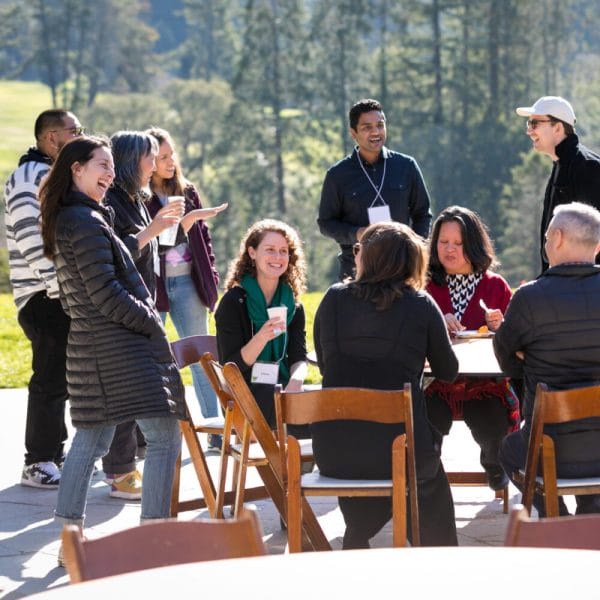
Hopelab is a team of impact investors, research scientists, creative leads, and health equity advisors dedicated to positively changing the well-being of young people.
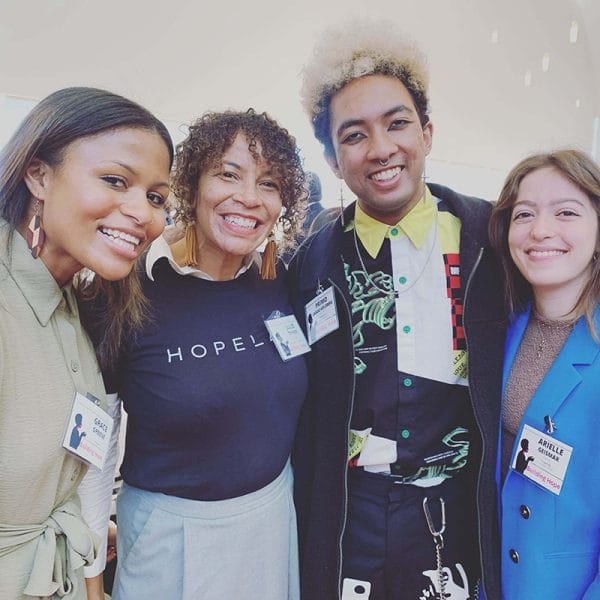
Do you best work at Hopelab. Are you ready to be inspired, take risks, and find meaning in what you do? Check out our open positions and internship program.